I have been preparing lately for the possibility I might need to self-promote and self-publish my debut novel, The Barren Peace. Part of that was getting a wonderful cover designed in the event I would need my own. Aside from conceptualizing what kind of art style and colour scheme I wanted the cover artist to use (and oh boy, my very non-artistic sketches are certainly a sight), I also needed to write a blurb for the back cover.
Not as easy as it sounds, that one. For a small amount of words, a lot of thought goes into it.
When I drafted a blurb, I engaged my amazing writer friends for feedback and they did exactly what I hoped they would do: they put themselves in the shoes of the reader who was going to (*touch wood) walk into a bookshop one day, pick up my book and read the back cover.
One of these amazing writer friends I engaged reminded me the first sentence of the blurb is so important. It is a big tool in capturing interest. The opening sentence should be the hook: the thing that is going to make someone want to read on.
My hook initially was buried within the synopsis, about two sentences in. The first sentence, by contrast, was far too expositional. I fell into my own trap of trying to over-explain rather than think about capturing interest. I was under the misconception that the first sentence should set the scene, but I can see how that doesn’t help a reader get interested.
The hook should attract the ideal reader. It should make your target market, the people you wrote this for, go “yes, this is the book for me.”
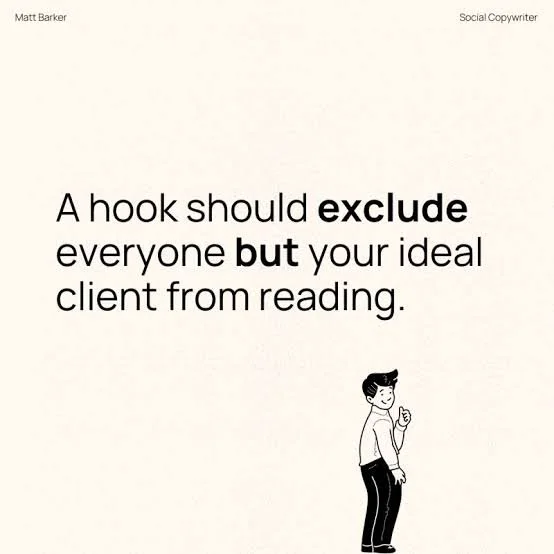
It was when one of my feedbackers pulled out the sentence and said “there it is, this is the hook” that I could really see it. It was a sentence that summed up a very important point of the book, as well as a major element that makes my book fit well into its genre.
Of course, it had to become the first sentence.
The other part that was important to structure was the last part. Again, a need to over explain things plagued me and I had to cut down some words or say things more succinctly. The job of the blurb isn’t to explain the story. It’s to give just enough to make someone want to read the novel.
I certainly learned the distinction between a blurb and a synopsis here. The synopsis I make for my query package was able to hold so much more detail. It’s designed for a different reason. The synopsis is there to hook an agent or a publisher and to show them tidbits of the book in the hope they see it’s potential. An agent or a publisher needs to know where the story is going. They need to know how it ends. By contrast, a blurb is short and sweet. It’s just enough to pull a reader in and garner interest in the rest of the book.
Having my dear friends put themselves in the mind of the reader was the perfect way to approach it, and I made sure they knew that. They helped me word it in a short and punchy way which would draw them in. Even though they have been invested in the journey as I have written this book and they probably know things about it that the fresh new reader wouldn’t, it was essential we thought about what would attract them picking my novel up from a shelf.
I am not going to share the blurb we came up with yet. I’ll save it for the day my book comes out. Then you, dear readers, will be the judges of whether it captures YOUR interest.
But I wanted to share the experience of receiving valuable feedback. Just another one of those experiences that is contributing to my learning curve as an aspiring writer. It’s experiences like this that will stay with me as I continue to write more books.
And its an experience that will make me ever grateful, once again, for being part of a writing community. For those who are giving me valuable feedback and helping me on this journey, you have so much of my love and heart.