Back in August, Massive Attack toured Australia. Those who attended the show would know that it was so much more than a nostalgic revisit of the band’s incredible career, including the familiar faces and voices of their long time collaborators. It was a challenge to every sense as haunting images of world events and political messages sprawled across the screen behind the group, provoking the audience to feel and think. Of course, the criticism came from some fans who argued that something like a concert should be an escape.
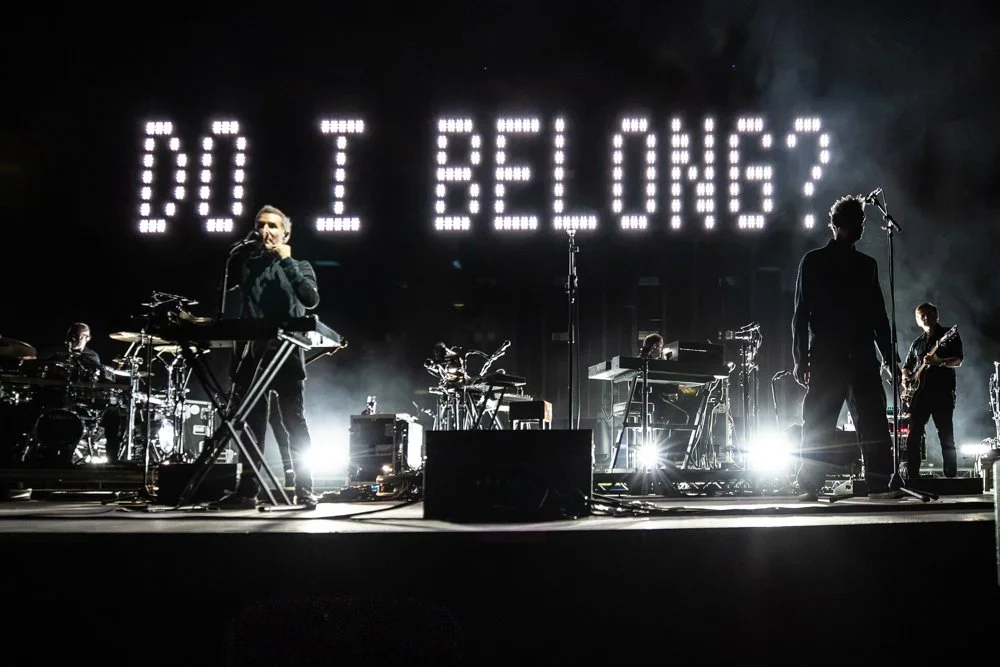
Photo by Pete Dovgan
The same argument emerged recently when American rapper Macklemore called loud and clear for an end to the genocide in Gaza. "I want those words to be loud and clear so the people from Gaza all the way to the occupied West Bank know that we have not forgotten them,” he announced proudly. Again, it sparked the debate about artists and politics and whether or not artists should share their political views.
It’s not just musicians of course. In the last few years we have seen actors use interviews and award shows to make impassioned speeches about topics such as genocide, war and climate change. Painters and sculptors have always made art that sends a message or has a meaning, expresses a belief or serves as outright propaganda for a movement, cause or religion. Book conventions and writer’s festivals have become forums to discuss current issues, political discourses, law and cultural learnings.
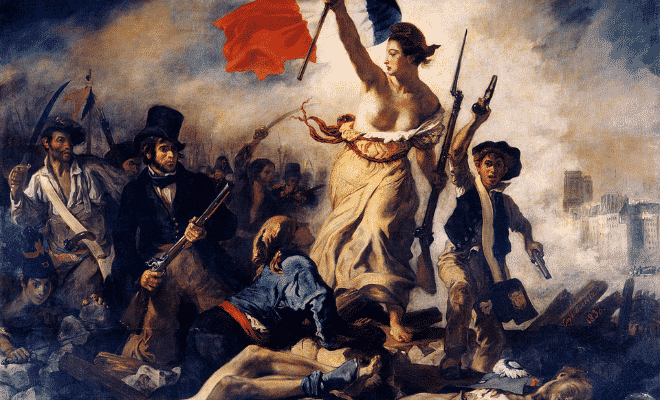
“Liberty Leading the People” by Eugène Delacroix (1830)
Those decisions have created their fair share of controversy as well. In Australia for instance, we’ve seen authors boycotting writer’s festivals due to organisers attempting to censor what views can and can’t be shared on these platforms. Last year Bendigo Writer’s Festival faced a mass exodus of authors after attempting to impose a code of conduct which would have limited authors from expressing certain views. Earlier this year, Adelaide Writer’s Festival faced intense backlash after cancelling the appearance of Palestinian author, academic and activist Dr Randa Abdel-Fattah. So much, in fact, that the fall out led to the cancellation of the festival altogether.
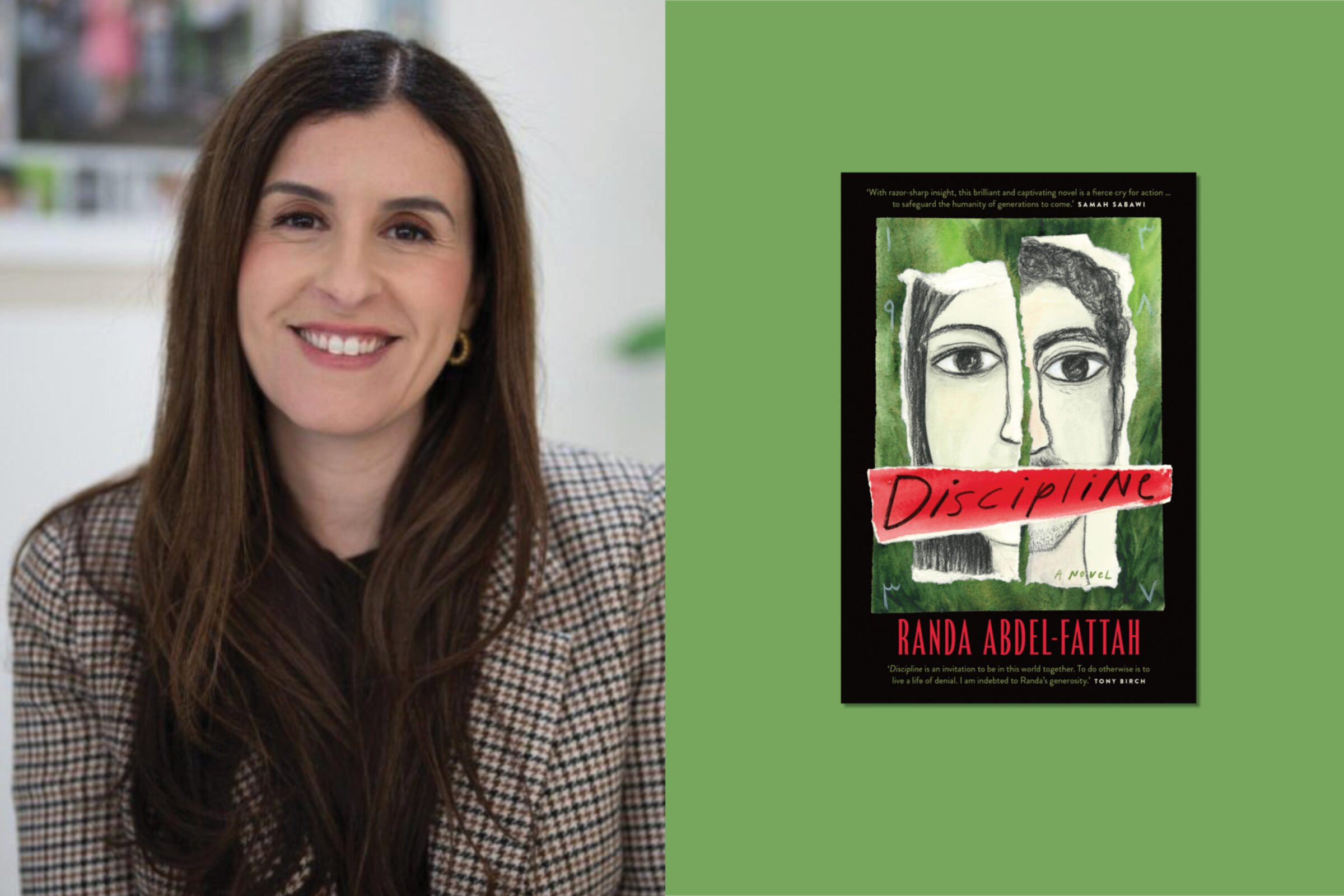
Dr Randa Abdel-Fattah, Palestinian Australian academic, lawyer, author and activist.
I have been thinking a lot in the wake of some of these events about the expectation that artists keep their political opinions to themselves. I understand that many people feel the need for escapism in a world where we are bombarded by the gravity of everything, witnessing displacement, apartheid and death on our TV screens and social media feeds while we ourselves are feeling the crunch of rising costs of living and unpredictable weather anomalies. The world feels like it’s falling apart at the seams, and I can understand why people are seeking solace and breathing space by going to something like a concert.
But our current climate and social media heavy culture already gives unvetted access to people from all walks of life sharing their opinions and debating with each other about right and wrong. Even those not actively participating are “doom scrolling” their way through endless feeds and comment sections where people are so open about their two cents on the situation.
So why in a world where everyone has an opinion on everything are people like musicians, actors and authors expected to keep their opinions to themselves?
Artists don’t exist in a vacuum. We interact with the world and we engage in political discourse. As an author, it is impossible for me not to be shaped and influenced by my experience of the world. When I wrote The Barren Peace, it was impossible not to allow my learnings as a social worker, my interest in human history, philosophy and current events to seep into the fictional world I was creating. It’s not something that I can just turn off like a light switch.
And it’s also not something I expect to shy away from. If my book is published and I start to promote and talk about it, I expect to be able to be honest about what influenced me to write it. I would hope to be able to talk openly about how the world I live in and interact in influenced the world I built for my novel. I would hope to explain that the characters I created for my novel were made all the more robust by understanding real people and their experiences. I am not going to deny using the likes of Machiavelli in my research, or to say that we still have Machiavellian style leaders in this world today.
I’m not saying all art is political. Some of it is not intended to be. I’m also not saying that all artists must as a default be vocal about their views. Artists shouldn’t feel compelled to use their platforms to express a political statement just because it ticks some kind of moral box to do so. That’s tokenism, and it means very little.
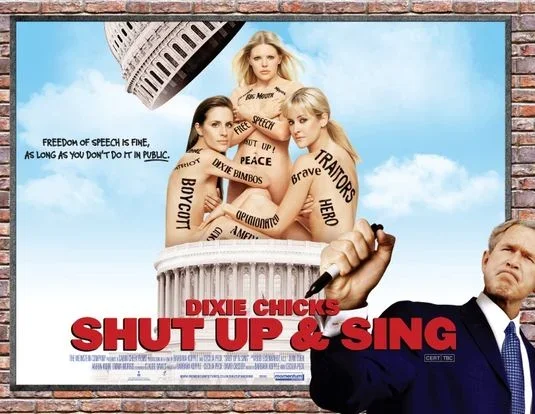
But for those who choose to use their art to express a political view, or those who chose to use the platform their art provides them to vocalise their views, I don’t think it’s right to tell those artists to “shut up and sing” so to speak (actually what country music group The Chicks were told when they spoke out against the actions of then US President George W. Bush). We have just as much right to express ourselves as the keyboard warriors who write DMs or X posts telling us to stop.
And if we say what we think and it makes our fans and followers think, feel or engage with the world, I don’t see that as a bad thing at all.